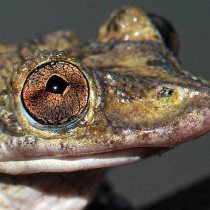
Touch This Frog and You’ll Croak!
We are lucky in California. There are few venomous species that can kill a person. Sure there are rattlesnakes, but they are not aggressive and tend to avoid people. … Continue Reading →

Learn Nature and Outdoor Skills
Plants, Animals, Geology, Natural History
We are lucky in California. There are few venomous species that can kill a person. Sure there are rattlesnakes, but they are not aggressive and tend to avoid people. … Continue Reading →
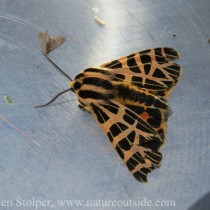
The natural world comes in all shapes and sizes. Not long ago, I described my insect safari and how you can have one too. It made me appreciate … Continue Reading →
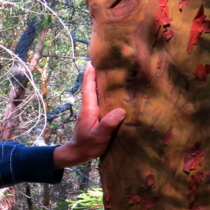
“What’s with the naked tree?” My hiking partner turned to follow my gaze. His eyes landed on a most peculiar tree. About 40 feet high with wide branches, … Continue Reading →
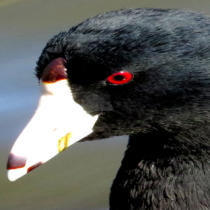
The pond is beautiful. And I pause to gaze into its placid waters. A spring emanates beneath its surface from deep within the Santa Cruz Mountains. During the 1950’s … Continue Reading →
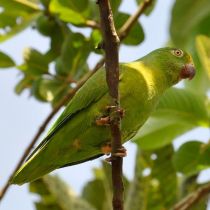
It’s magical when you see an animal you’ve never seen before. You may have heard about it, read about it, or seen it on TV. Or maybe you … Continue Reading →
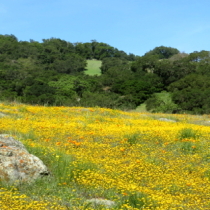
Can millions of years of geology create wildflowers? In California it can, and it does! California is geologically active. Evidence is everywhere in Northern California. There are mountains, … Continue Reading →
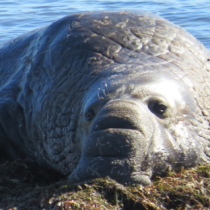
What animal is the size of a Chevy Suburban, weighs as much as two American football teams (offense and defense), and dives 2,000 feet below the ocean’s surface? Elephant seals … Continue Reading →
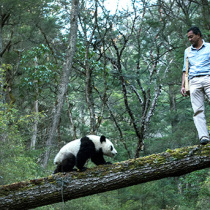
People have irreparably changed our planet. We inhabit every corner of the globe. We literally move mountains and change the course of rivers. With more than 7 billion people … Continue Reading →
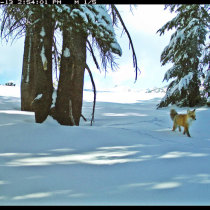
I received this Email Wednesday: Yosemite National Park is excited to report the first confirmed sighting in the park of a rare Sierra Nevada red fox (Vulpes … Continue Reading →
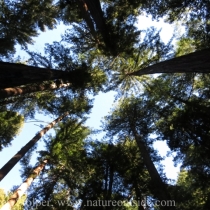
Where I live, Redwoods reign supreme. The ancient giants eclipse the sun, keeping the forests below in perpetual shade. For more than 200 million years they have loomed … Continue Reading →